

Dominate the road with earth-shaking bass and precision sound
Your ride deserves more than just sound—it deserves power. Upgrade with Cerwin-Vega Car Audio and experience deep bass, crystal-clear highs, and raw, unrelenting power that turns every drive into a sonic experience.

Unleash Superior Sound with Cerwin Vega Car Audio
Make every drive an unforgettable experience. Explore our collection of powerful subwoofers, high-definition speakers, and advanced amplifiers, crafted to bring immersive audio to your vehicle.
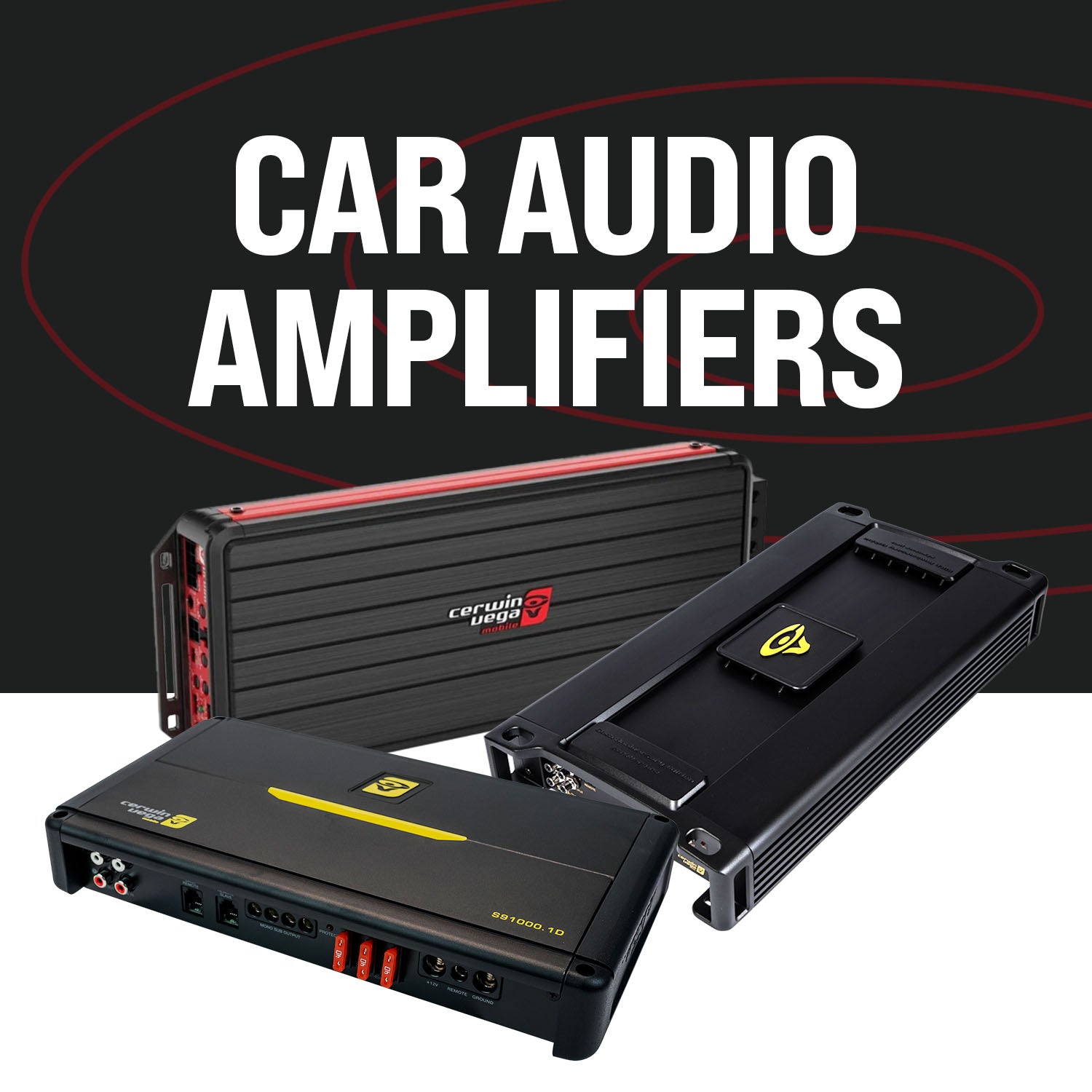





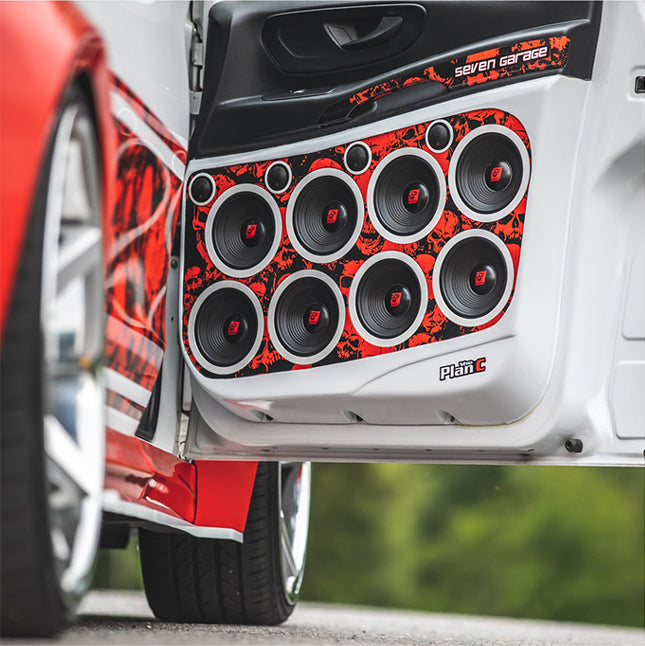
Revamp Your Ride with Cerwin Vega Car Audio
Find the perfect upgrade for your vehicle. From powerful subwoofers and crystal-clear speakers to innovative amplifiers and receivers, Cerwin Vega has everything you need to create a customized audio experience.

Your Next-Level Upgrade Starts Here
Discover our latest car audio gear, perfectly crafted for a high-performance, immersive experience. Enhance your drive with components that amplify every note and elevate every beat.

Cerwin-Vega CV62BM 6.2” LCD Touch Screen Multimedia Receiver


Cerwin-Vega VCU86 Vega Series 6-Channel Class-D Amplifier 950W

Cerwin-Vega CVP12D4 12" CVP Series Car Subwoofer 200W RMS 550W MAX Dual Voice Coil (4Ω)
Build Your Ultimate Sound System



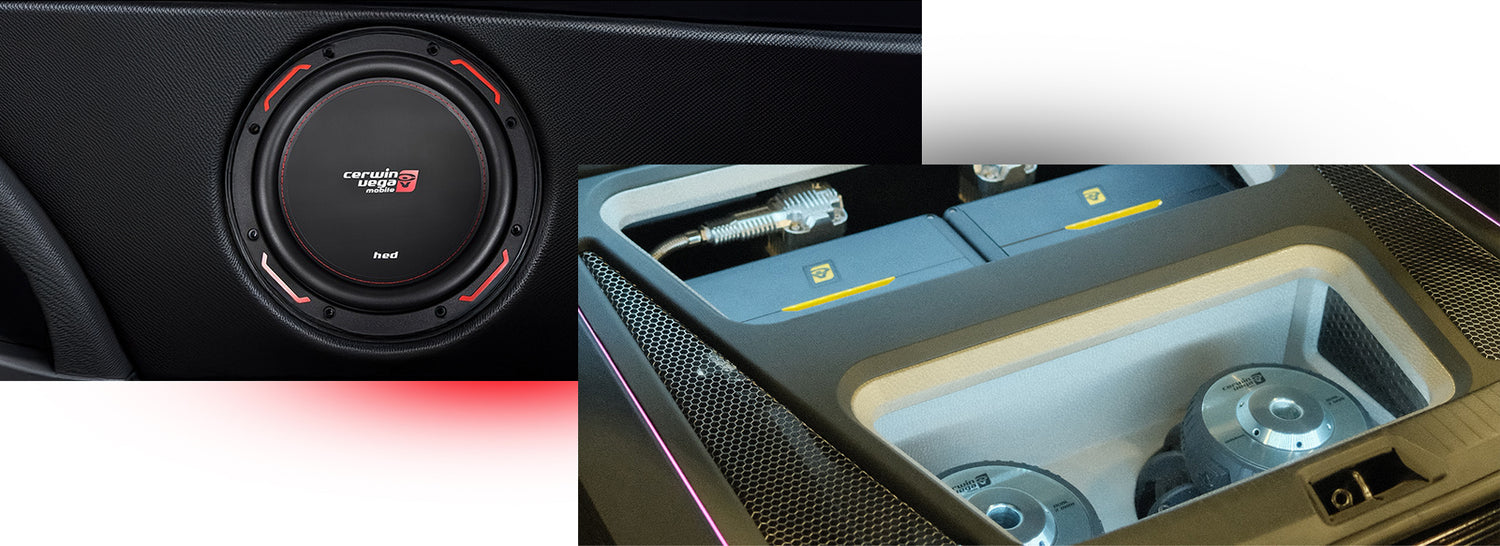
Our Story: Driving Innovation in Sound for Over 70 Years
For decades, Cerwin Vega has been a leader in sound engineering, creating audio solutions that capture the essence of every beat. Explore our heritage of innovation and discover what makes us an icon in car audio.
#VegaNation
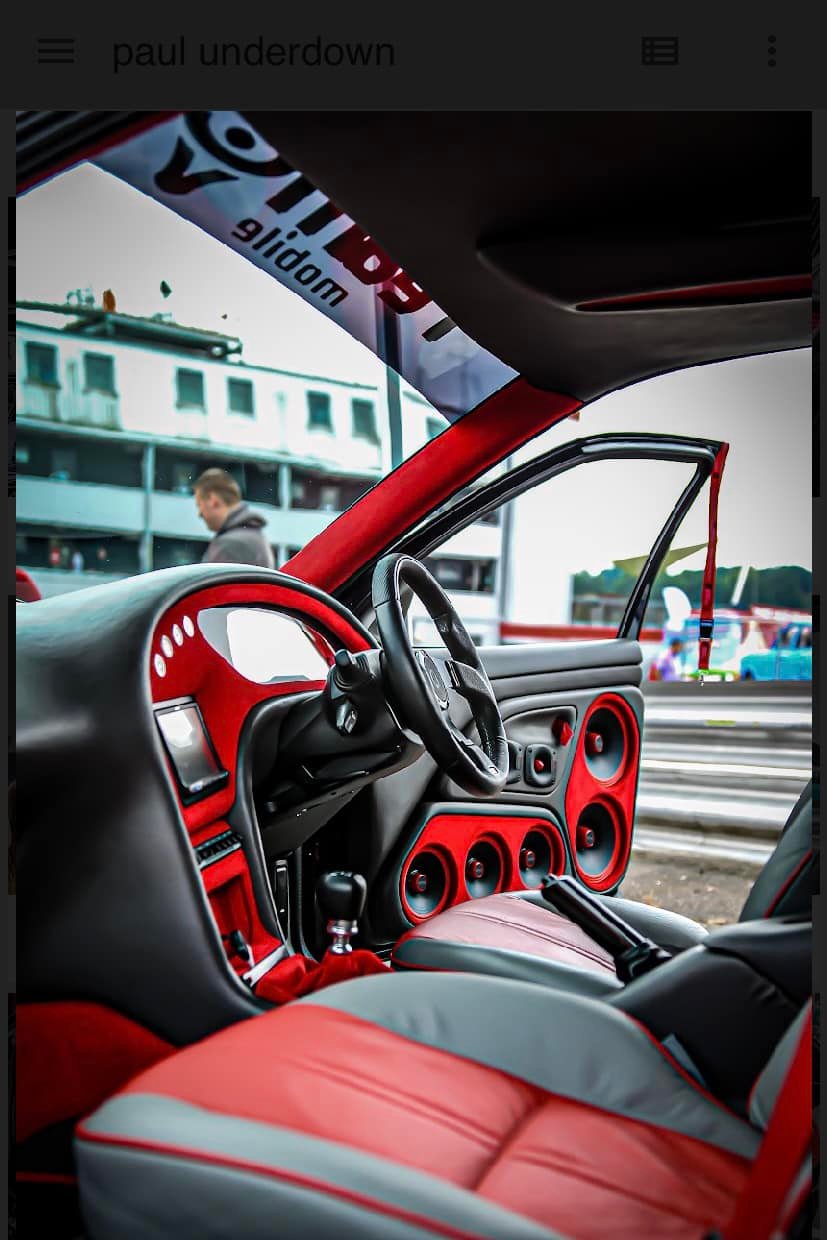
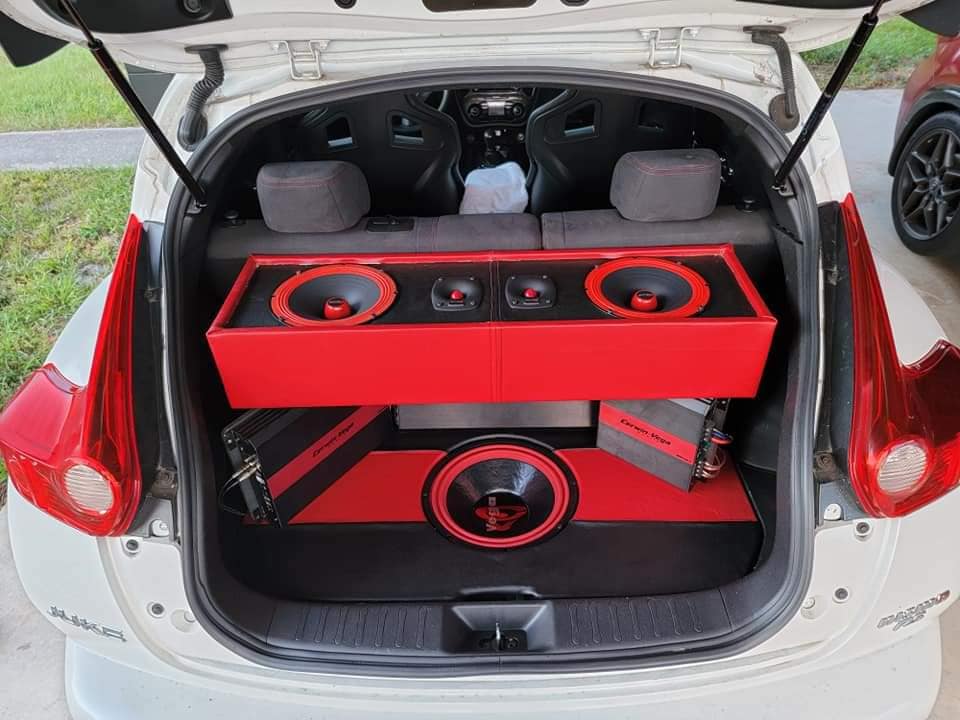
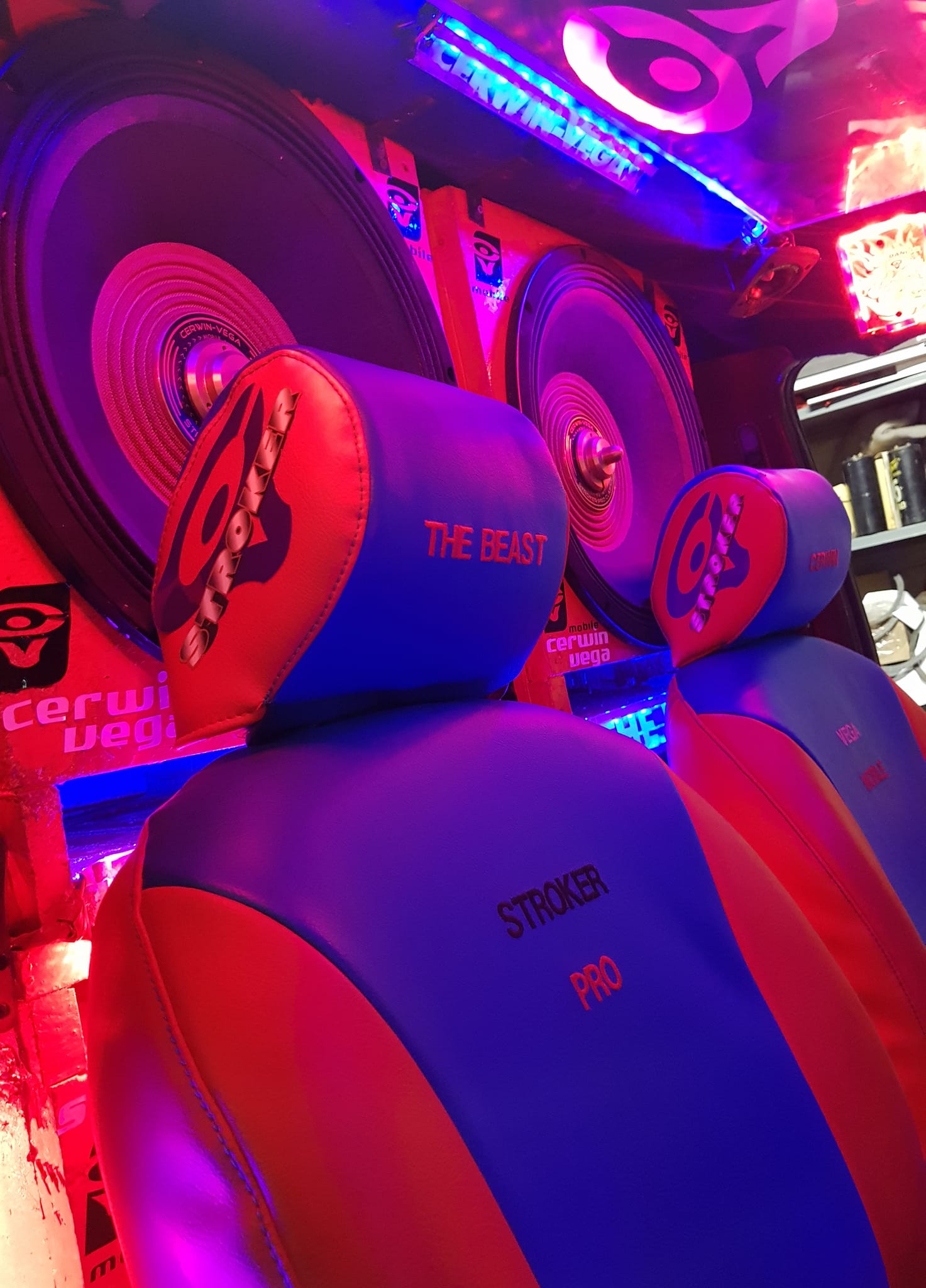
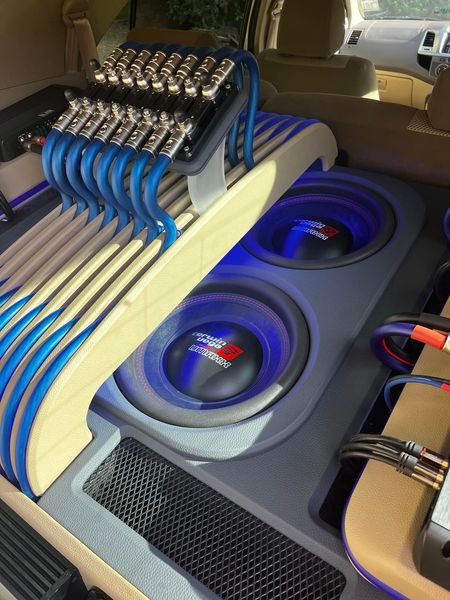
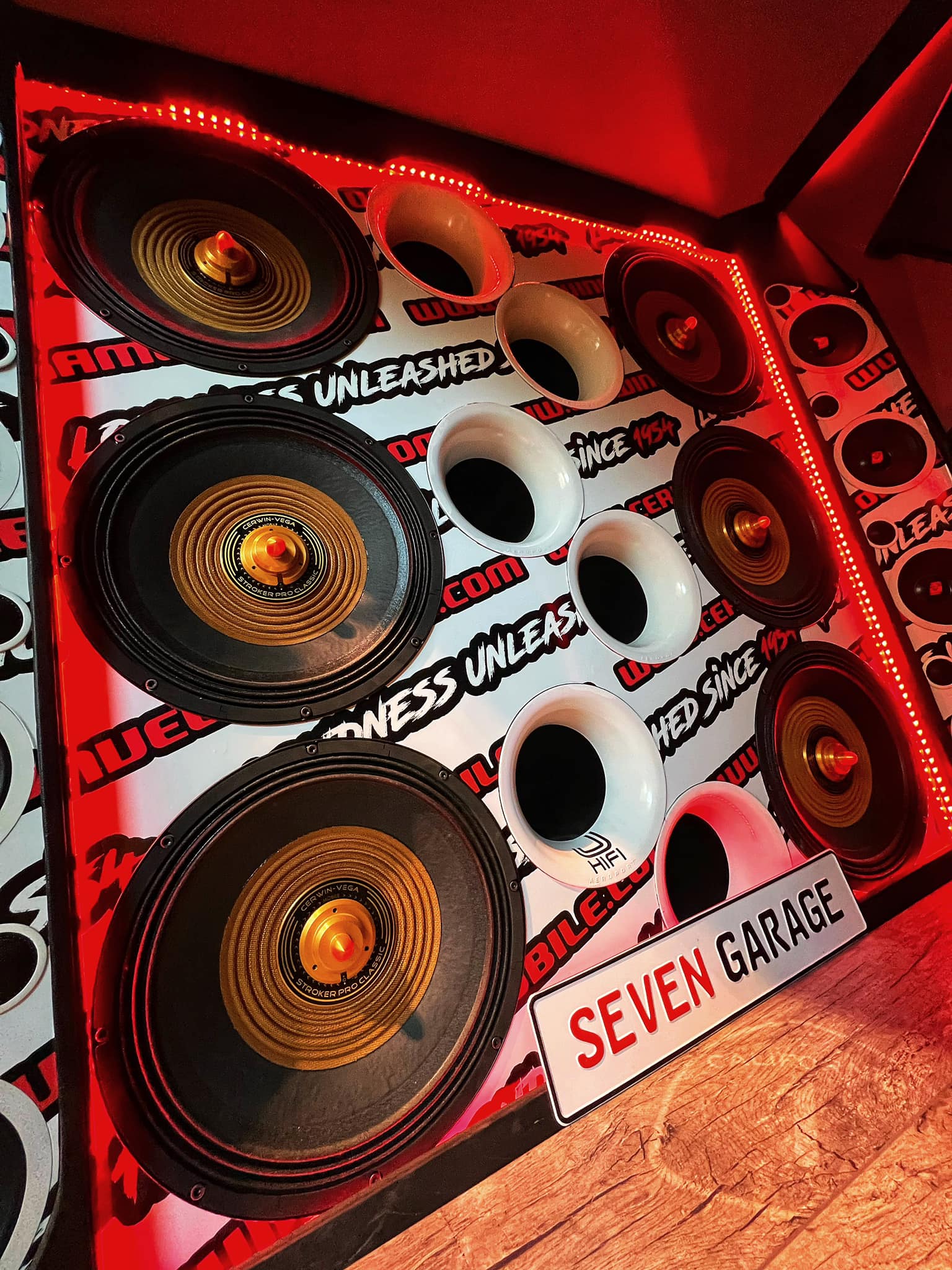
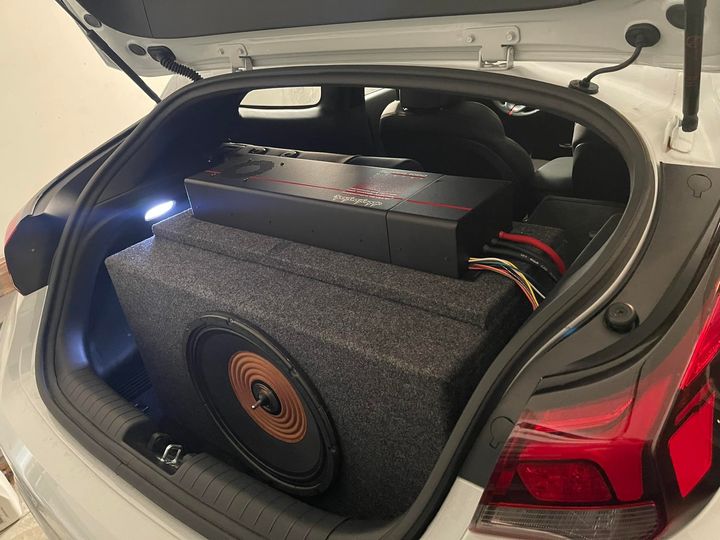
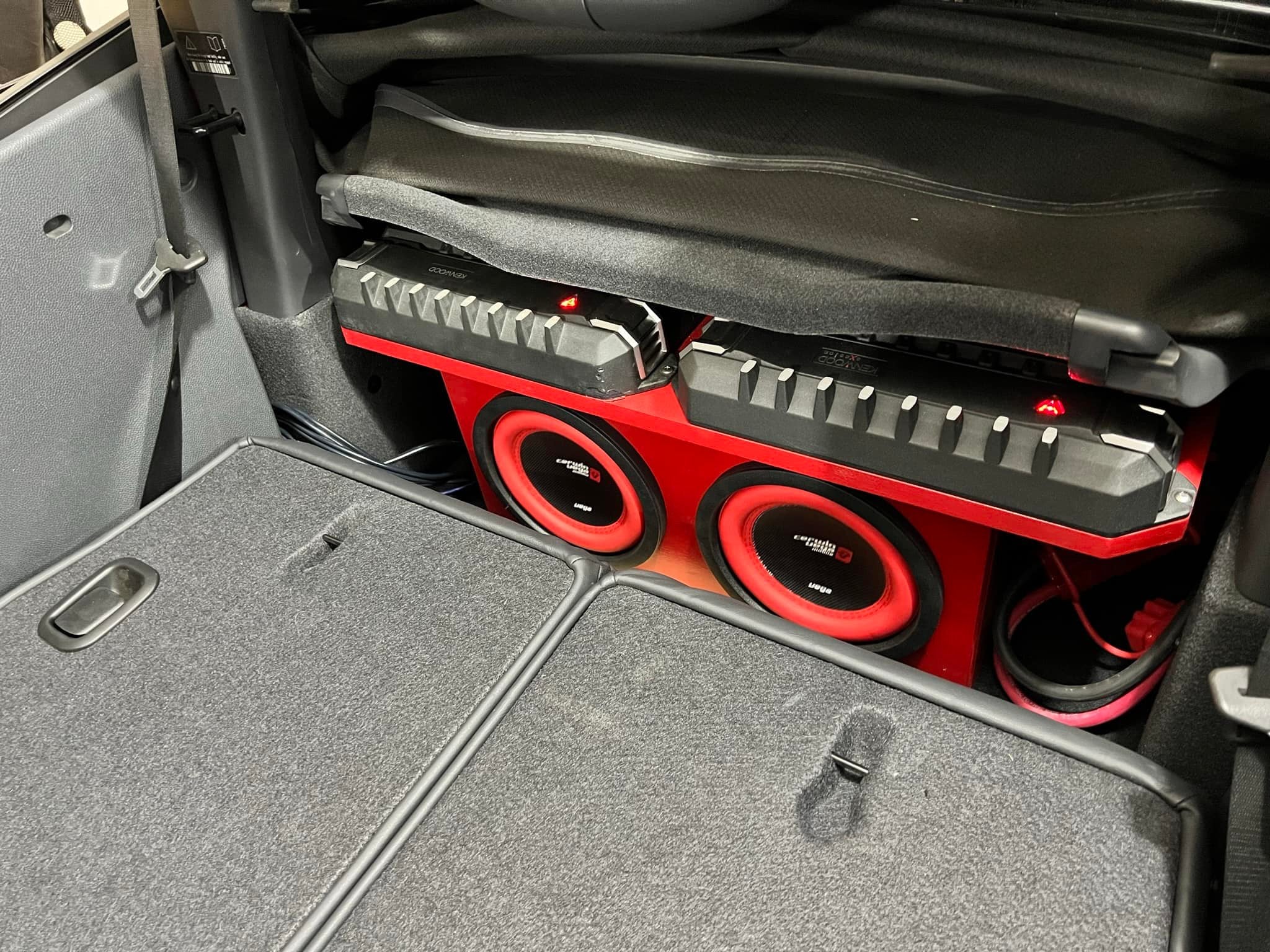
Join the #VegaNation and show off your Cerwin-Vega gear! Share your photos featuring Cerwin-Vega products in action, tag us, and use the hashtag #VegaNation for a chance to win prizes!. Each month, we'll choose our favorite UGC submissions to feature on our website and social media. Don’t miss out – your photo could be the next to win!
Frequently Asked Questions
What is a car audio system?
A car audio system is the full signal chain in your vehicle: a head unit or receiver as the source, an amplifier to add power, speakers for mids and highs, a subwoofer for low bass, and the wiring that connects it all. Factory systems cut corners on every one of those pieces. Upgrading even one — usually speakers or a sub and amp — is what most people notice first. Cerwin-Vega builds each stage of that chain, from CVP-level value gear up to the Stroker Pro series. Matching the right car audio equipment can improve sound quality, increase output, and deliver the powerful bass and clarity that factory systems often lack.
Where should I start when upgrading my car audio system?
Where you start depends largely on whether your factory radio can be replaced. In many car audio builds, the head unit is the first upgrade because it becomes the foundation for the rest of the system, providing the source, controls, connectivity, and signal needed for future upgrades.
If replacing the factory radio isn’t possible—or you want to retain the vehicle’s factory features—the system is typically built around the existing radio instead. In that case, a digital signal processor (DSP) is often the starting point, followed by amplifiers, speakers, and subwoofers. A DSP helps integrate the factory audio signal with aftermarket equipment while giving the installer greater control over tuning and sound quality.
The right upgrade path ultimately depends on your vehicle, your goals, and which factory components need to remain in place. For many drivers, upgrading the car audio speakers first provides an immediate improvement in clarity and quality sound without requiring a complete system replacement.
What's the difference between the Stroker, Vega, HED, XED, and CVP series?
They're tiers. Broadly: CVP and XED cover value and factory-replacement builds, HED sits in the middle as the long-running mainstream line, Vega steps up in output and build, and Stroker and Stroker Pro are the high-output flagship lines for competition-style and SPL-focused systems. This range makes it possible to select car audio equipment for everything from a straightforward daily-driver upgrade to a high-output custom audio system.
Do I need an amplifier for my car audio speakers?
Coaxial speakers will run off a factory head unit, but you're leaving most of their performance on the table. Any component set, any Pro Series horn speaker, and every subwoofer wants a dedicated amplifier. A multi-channel amp like the VCU85 lets you power front and rear speakers plus a sub from one chassis, which saves space and simplifies wiring in a daily-driver build. Properly matched car audio amplifiers give each car speaker the clean power needed to produce greater output with less distortion.
How many watts do I need, and what's the difference between RMS and peak power?
RMS is continuous power the component can actually handle; peak or max is a short-burst figure used in marketing. Match RMS to RMS and use peak ratings as a secondary specification rather than your primary matching figure. A 12" CVP Series sub rated at 150W RMS wants an amp delivering roughly that at the sub's impedance — not a 1,000W peak amp turned up. An amplifier driven into clipping can send a distorted signal to the voice coil and damage a speaker, so proper power matching and gain setting are essential.
How do I match a subwoofer's ohm load to my amplifier?
Every amp lists stable power at specific impedances — typically 4Ω, 2Ω, and sometimes 1Ω. Dual voice coil subs like the CVP12D4 can be wired in series or parallel to present different loads, which is how you dial the sub's impedance to what your amp wants. Two DVC 4Ω subs, for example, can be wired to several different final loads depending on configuration. Wiring below your amp's rated minimum will overheat it and trip protection. Cerwin-Vega has a full series vs. parallel wiring guide with the ohm math worked out. Correct impedance matching helps car audio subwoofers and amplifiers work efficiently together while maintaining clean, reliable output.
What size subwoofer should I get?
A 10" subwoofer can be a practical choice when installation space is limited, while 12" models are popular for balancing enclosure size and low-frequency output. Larger 15" and greater car audio subwoofers can deliver substantial output but generally require more enclosure volume and amplifier power. Driver size alone does not determine bass speed, accuracy, or overall sound quality; enclosure design, tuning, motor design, and system setup also play major roles. Measure your available space before you pick a driver size — enclosure volume, not cone diameter, is usually the limiting factor. Choose the right combination and you can achieve deep, powerful bass without sacrificing usable vehicle space.
Sealed or ported enclosure — which one?
Sealed boxes are smaller, easier to build, and can provide controlled, accurate bass from a compact enclosure. Ported boxes are larger and louder for the same input power, with more emphasis around the tuning frequency — better for hip-hop, EDM, and anything bass-heavy, — a strong choice when greater output around a specific frequency range is the goal.. Cerwin-Vega stocks powered and passive enclosures plus complete bass packages if you'd rather not build one, and the bass packages take the box-volume guesswork out entirely. The best enclosure depends on your available space, listening preferences, subwoofer specifications, and desired output.
Component or coaxial speakers?
Coaxial speakers put the tweeter on the same frame as the woofer and drop into factory locations with no fabrication, which makes them the easy choice for a straight replacement. Component sets separate the tweeter so you can mount it higher in the door or on the A-pillar, which lifts the soundstage up to ear level instead of at your ankles. Components need an external crossover, so plan install time accordingly. Cerwin-Vega also sells tweeters and grills separately if you're building a custom layout. Both types of car audio speakers can deliver high quality performance when properly installed and matched with the rest of the system.
What accessories do I need to install a car audio system?
At minimum: an amplifier wiring kit with correctly gauged power and ground wire, an inline fuse near the battery, RCA interconnects, and speaker wire. Longer runs and higher-current amps need heavier gauge. Multi-amp builds add a distribution block. From there, the accessories that measurably improve results are sound dampening on doors and the trunk floor, which cuts road noise and stops panel rattle, and a DSP or signal processor to fix factory EQ curves and set crossovers and time alignment. All of it is in the car audio accessories collection. Choosing the correct car audio accessories is just as important as selecting speakers and amplifiers because installation quality directly affects reliability and system performance.
Do I need a DSP or signal converter?
If you're keeping the factory head unit, usually yes — many OEM systems output a pre-equalized, sometimes high-level signal that a line output converter or DSP has to clean up before your amp sees it. A DSP also gives you crossover points, time alignment, and EQ, which is how you get a stereo image centered in front of you rather than pulled toward the driver's door. If you're replacing the head unit with something like the CV62BM, you get clean preamp outputs and a DSP becomes optional rather than necessary. For advanced car audio systems, DSP tuning can make a significant difference in imaging, frequency balance, and overall sound quality.
Will Cerwin-Vega car audio equipment fit my vehicle?
Speaker fitment comes down to mounting diameter and mounting depth, both listed on each product page — depth is the one people miss, since door and deck cavities vary a lot even within the same speaker size. Head units are sold in single-DIN and double-DIN sizes matched to your dash opening. Cerwin-Vega also has vehicle-specific gear, including Jeep-specific options. If you're unsure, free tech support at 213-212-3182 can confirm fitment before you order, and the store locator will point you to a dealer who can measure. Always verify dimensions and electrical requirements before purchasing aftermarket car audio equipment.
Why does my subwoofer sound distorted or rattly?
The usual suspects, in order of likelihood: amp gain set too high and clipping, an impedance mismatch overheating the amp, a loose or undersized enclosure, an unsecured trunk panel vibrating, or a sub being driven past its RMS rating. Distortion that appears only at high volume is often related to gain settings, clipping, power delivery, or another part of the signal chain. Cerwin-Vega has a diagnostic walkthrough on this in the blog that goes through each cause in sequence. Proper installation, enclosure design, amplifier matching, and tuning help car audio subwoofers produce clean, powerful bass with less unwanted vibration or distortion.